Looking for a way to give your home a high‑end, rugged look without the expense and weight of real stone? Stone veneer siding offers the perfect blend of aesthetics, durability, and affordability, making it one of the fastest‑growing exterior wall cladding choices in 2026. If you’re ready to explore how this low‑maintenance siding can transform your property, start by understanding the fundamentals in our complete guide to home siding.
What Is Stone Veneer Siding?
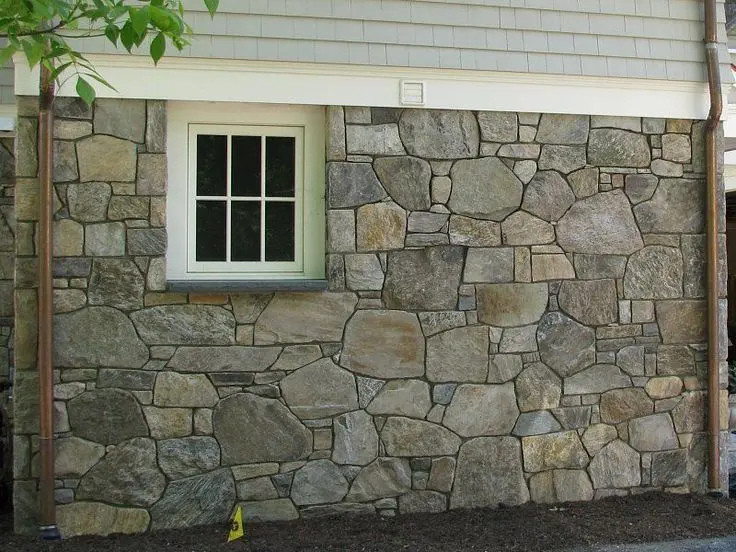
Stone veneer siding consists of thin, lightweight panels that mimic the look of natural stone. Unlike traditional masonry, the panels are typically made from a blend of cement, aggregates, and polymers, which are cast or molded into realistic textures and colors. The result is a “synthetic stone” product that can be installed over a variety of substrates, from wood framing to existing siding, delivering a durable facade with far less labor.
Types of Stone Veneer
- Cultured stone veneer: Cast in molds using concrete and a polymer binder, offering the most design flexibility.
- Manufactured stone panels: Pre‑cut sheets that lock together, ideal for faster installation.
- Natural stone veneer: Thin slices of real stone (e.g., slate or limestone) adhered to a backing material, delivering authentic texture but at a higher price point.
Key Benefits of Stone Veneer Siding
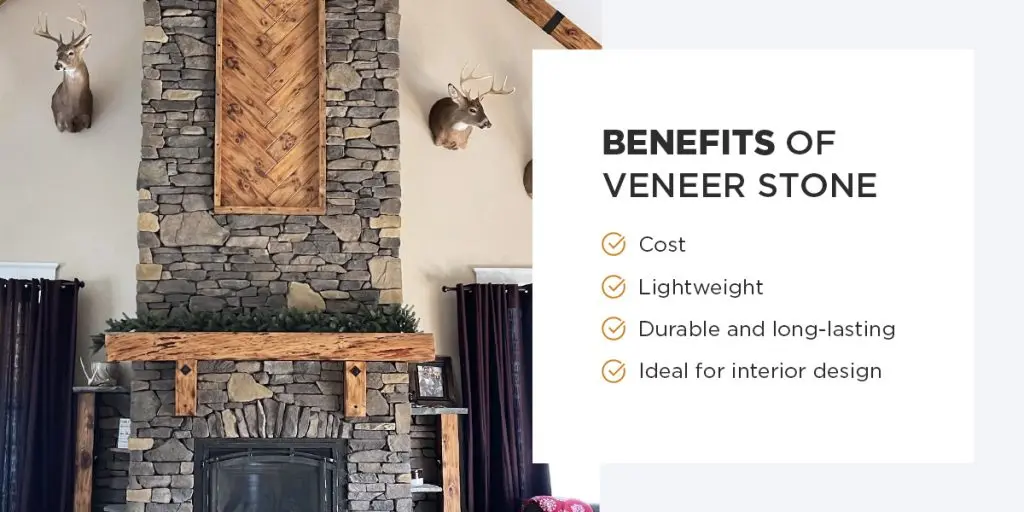
Homeowners choose stone veneer for several compelling reasons:
Table of Contents
- What Is Stone Veneer Siding?
- Types of Stone Veneer
- Key Benefits of Stone Veneer Siding
- Stone Veneer vs. Other Siding Options
- Metal Siding
- Vinyl Siding
- Fiber‑Cement (Hardie) Siding
- Step‑by‑Step Installation Guide
- Common Mistakes and How to Avoid Them
- Real‑World Case Study: Suburban Ranch Renovation
- Cost Overview for 2026
- Maintenance Tips for Long‑Term Performance
- Frequently Asked Questions
- 1. Can stone veneer be installed over existing siding?
- 2. How does stone veneer affect a home’s insulation?
- 3. Is stone veneer fire‑rated?
- 4. What is the lifespan of stone veneer siding?
- 5. Does stone veneer increase property taxes?
- Conclusion
- Instant curb appeal: The realistic stone appearance boosts property value and creates a timeless aesthetic.
- Weather‑resistant siding: Modern formulations resist freeze‑thaw cycles, UV fading, and moisture penetration.
- Low‑maintenance: Unlike real stone, there’s no need for periodic repointing; a simple wash and occasional sealant keep it looking fresh.
- Energy efficiency: The added mass provides a modest insulating effect, reducing heating and cooling costs.
- Cost‑effective: Installation costs are typically 30‑45% lower than full‑depth stone, while still delivering comparable visual impact.
Stone Veneer vs. Other Siding Options
When weighing your exterior renovation options, it’s helpful to compare stone veneer to alternatives that also dominate the 2026 market.
Metal Siding
Metal siding, highlighted in the Metal Siding 2026: Ultimate Guide, excels in durability and fire resistance but often lacks the warmth of stone. Metal panels are typically cooler to the touch and can appear industrial unless paired with a decorative finish.
Vinyl Siding
Vinyl remains the most popular budget option, praised for its low cost and ease of repair. However, vinyl cannot match the premium feel of stone veneer and may suffer from color fading over time. For a side‑by‑side cost analysis, see the Vinyl Siding 2026 Guide.
Fiber‑Cement (Hardie) Siding
Products like James Hardie or Hardie Plank provide a sturdy, fire‑rated exterior, yet they lack the three‑dimensional depth that stone veneer delivers. For homeowners seeking the look of stone with the performance of fiber‑cement, stone veneer remains the top choice.
Step‑by‑Step Installation Guide
Proper installation is crucial to ensure the longevity and performance of stone veneer siding. Below is a concise, actionable workflow for DIY‑savvy homeowners or professional contractors.
- Assess the substrate: Verify that existing walls are flat, structurally sound, and free of moisture. Install a weather‑resistant barrier if needed.
- Apply a moisture‑control membrane: Use a breathable house‑wrap (e.g., Tyvek) to prevent water infiltration while allowing vapor to escape.
- Install metal lath or cement board: Secure the base material with corrosion‑resistant fasteners, leaving a ¼‑inch gap for expansion.
- Lay out the veneer panels: Begin at the lowest point, using a level to keep rows straight. Apply a thin‑set mortar to the back of each panel.
- Set and align: Press panels firmly into place, tap gently with a rubber mallet, and maintain consistent joint spacing (usually ¼‑½ inch).
- Seal joints: Fill gaps with polymer‑based grout to prevent water penetration and improve visual continuity.
- Finish and clean: Remove excess mortar, let the system cure for 24‑48 hours, then wash with a mild detergent.
Common Mistakes and How to Avoid Them
- Skipping the moisture barrier: This can lead to hidden rot behind the veneer.
- Improper flashing around openings: Ensure flashings are integrated with the veneer system to direct water away.
- Using the wrong mortar mix: A high‑strength, polymer‑enhanced mortar is essential for adhesion and flexibility.
- Neglecting expansion joints: Failure to leave space for movement can cause cracking in extreme temperature shifts.
Real‑World Case Study: Suburban Ranch Renovation
A 2,500‑sq‑ft ranch home in Austin, Texas, upgraded its aging vinyl siding to stone veneer in early 2026. The homeowner selected a light‑gray cultured stone, applied a breathable membrane, and completed the installation in 12 days with a crew of three. Post‑project data from the Home Siding 2026 guide indicates a 7‑10% increase in resale value and a 15% reduction in annual heating costs, thanks to the veneer’s thermal mass.
Cost Overview for 2026
According to the National Association of Home Builders (NAHB) 2025 Market Report, the average cost of stone veneer siding ranges from $12 to $22 per square foot, including materials and labor. Factors influencing price include:
- Geographic location – coastal areas may see higher labor rates.
- Panel type – natural stone veneer commands a premium over cultured stone.
- Complexity of the project – intricate architectural details increase installation time.
When amortized over a 20‑year lifespan, the return on investment (ROI) aligns closely with other premium options, while delivering superior visual impact.
Maintenance Tips for Long‑Term Performance
Even though stone veneer is marketed as low‑maintenance, a few simple practices extend its service life:
- Annual cleaning: Use a soft brush and a mild, pH‑balanced cleaner to remove dirt and mildew.
- Inspect grout and sealant: Re‑apply polymer sealant every 5‑7 years to preserve water resistance.
- Check for movement: Look for cracks after extreme weather events and repair promptly.
- For more detailed upkeep strategies, see the LP SmartSide Siding 2026 guide, which shares universal siding maintenance principles.
Frequently Asked Questions
1. Can stone veneer be installed over existing siding?
Yes. Provided the existing surface is sound and a proper moisture barrier is added, stone veneer can be applied directly over vinyl, wood, or fiber‑cement siding.
2. How does stone veneer affect a home’s insulation?
The added mass offers modest thermal inertia, helping to stabilize interior temperatures. Pairing veneer with insulated sheathing maximizes energy savings.
3. Is stone veneer fire‑rated?
Most cultured stone panels meet ASTM E84 Class B fire ratings, making them suitable for most residential applications. Always verify the specific product’s rating.
4. What is the lifespan of stone veneer siding?
When installed correctly and maintained, stone veneer can last 30‑50 years, outlasting many conventional siding materials.
5. Does stone veneer increase property taxes?
Improvements that significantly raise market value can affect assessments, but the impact varies by jurisdiction. Consult local tax authorities for precise guidance.
Conclusion
Stone veneer siding bridges the gap between high‑end aesthetics and practical budgeting, delivering a weather‑resistant, low‑maintenance exterior that stands the test of time. By understanding the material options, installation best practices, and long‑term costs, homeowners can make an informed decision that enhances curb appeal and adds lasting value. Whether you’re renovating a historic bungalow or updating a modern split‑level, stone veneer offers a versatile, durable solution that aligns with 2026’s emphasis on smart, sustainable home improvement.
For a broader overview of stone veneer technology, refer to the Wikipedia entry on stone veneer.